Wednesday, 10 May 2017

DVT Pain Management

Circulation


Managing Post Thrombotic Pain

After having an extensive blood clot in the left side of my lower body (belly button to ankle) I have had a range of post thrombotic pain to deal with on a fairly regular basis. However, I recently had a pretty bad bought of pain that last for about four days that left me fairly immobilized, bed bound and full of pain killers. Now that I've somewhat recovered from the worst of it I'd like to share my experiences of what it's like to deal with this condition and what I do, and what you can do to help you get past the worst of a flare up.

What Causes Post Thrombotic Pain?


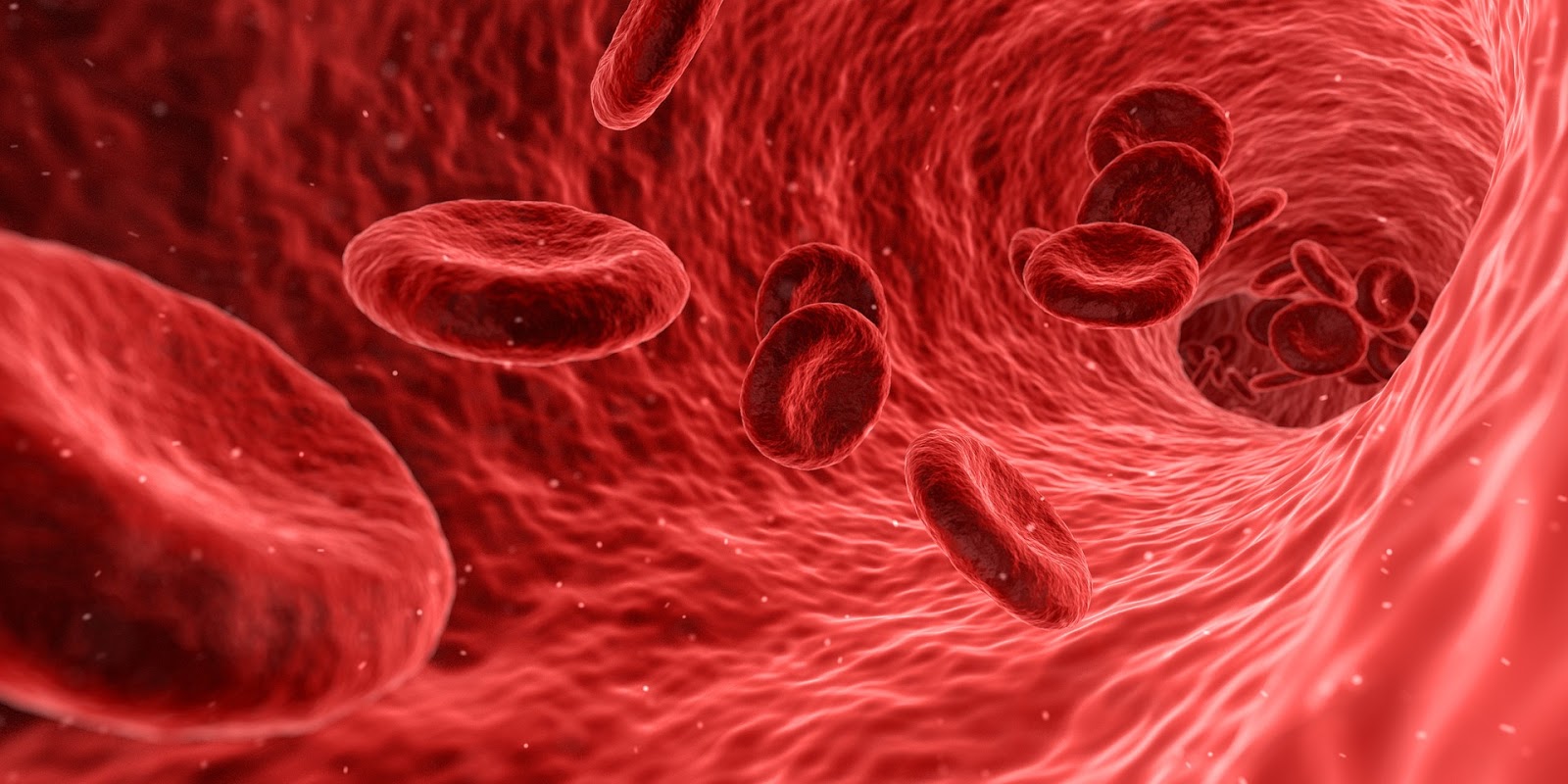
Post thrombotic pain is experienced by most people usually after a moderate - severe blood clot (although this can happen with mild clots too). When a blood clot develops in the vein or artery is has the potential to damage the wall and valve which will interrupt the flow of blood around the body and cause a whole host of nasty symptoms you'll have to contend with. The first flare up of post thrombotic pain can be experienced straight away if the clot did a lot of damage or it can develop over a couple of years as the initial damage worsens. 

As it turns out around 50% of people (average of multiple sources) will develop some form of post thrombotic pain within the first two years of having the clot. Unfortunately for those of us who suffer from post thrombotic pain it's not going to leave us, however there are things you can do to prevent a flare up or at least manage the pain to tolerable levels when it does.

Managing Chronic Post Thrombotic Pain

Support Systems:

The first thing you need to do to manage your daily pain is to find yourself a doctor who understands your condition well, or is willing enough to go through trial and error with you if you don't have the option to see a pain specialist. As my blood clot was not diagnosed on time it has done a lot of damage and I don't have private health care to see a pain clinic (my condition currently isn't bad enough to warrant NHS referral yet) my doctor and I have taken the time to work out a plan and we review it every six months to check tolerance levels (I got a little addicted to morphine during my hospital stay and we have to keep any eye on things) and things like liver function etc. So, in short if your current doctor isn't willing to help then keep searching for one until you find someone to support you.

Once you have found a doctor who will work with you then you'll need to have an assessment to see what you will actually require to be comfortable. You would of had an assessment when you were discharged from your initial blood clot and more than likely prescribed compression stockings (above/below knee or "gauntlets" for your arms) and pain killers if needed. However, this set-up will only last you for a few weeks at best and you'll need to come up with a longer term plan to manage those daily symptoms.

Chronic Symptoms

In my experience the symptoms that you experience on a daily basis can vary but for me the one constant symptom is a throbbing pain in my thigh and calf. The other symptoms (see below) will come and go and will tend to all build up shortly before a flare up.

Symptoms for chronic/daily life include:
  • Pain: stabbing, throbbing, aching, pinching, "squeezing" sensations
  • Cramping: mainly at night for myself but they can happen at any time
  • Pressure and swelling: this tends to be worse at the end of the day but can happen at any time
  • Itchy skin, discoloration and other skin conditions: due to restricted blood flow you will experience this sooner or later
  • Ulcers: an advanced situation of the prior skin conditions and they can take a long time to heal and need careful medical attention

Acute Pain/Flare Ups

Flare ups of post thrombotic pain can happen at anytime but there will sometimes be a reason for this. For example you may have pushed yourself too hard when exercising, injured yourself, or had a change in medication. Examples like these are easy to spot and are easier to manage because you know what the cause is and you can manage the symptoms accordingly. However, flare ups that come out of the blue and much harder to manage and you may feel like your "flying blind" as the saying goes; unexpected flare ups, especially particularly bad ones, should be looked at by a doctor just in case you have developed a new clot that needs immediate treatment.

Many of the symptoms you'll experience during a flare up will be the same as your chronic ones but they will be stronger and more painful. However, you can experience any of the above symptoms even if you don't usually get them which is why it's important to get yourself checked if you get something out of the ordinary.

Medications and Tools/Tips

Once your doctor has done their examination they'll talk to you about what your options are but for the most part you'll be looking after yourself and getting into a "groove" with your medication can make your life so much better and easier to deal with. Depending on your situation you'll more than likely need some pain killers, compression stockings and ways of managing pain when they don't work: see below.

There are many pain killers available to you and your doctor will start you off (probably) on the minimum dose of a recommended type and then review you in a week or two to see if you need adjustments made or if another medication needs to be introduced. For example my current regime is to be on a controlled long-release opiate based pain killer which I take first thing in the morning along with my other cocktail of drugs for various other aliments and that lasts me for most of the day but if I'm having a bad day I will take a quick release pain killer to tide me over until my next dose in the evening. When it gets to 6pm I will have my Warfarin (anticoagulant) and then take an antidepressant at 7pm which actually helps with my nighttime pain and helps me sleep better too; the antidepressant was an experiment suggested by my doctor as a new study had come out suggesting the interaction with certain pain and the antidepressant will help some patients and I'm glad to say that I am one of those and I have been able to reduce my opiate intake.

Compression stockings are my best friend when it comes to relieving discomfort and pain on a daily basis. I have to wear above the knee compression stockings that go all the way up to the top of my thigh. The reason I love compression stockings is because they do the work for my broken vein valves by helping my body get the blood out of my leg and back to my heart and reduces the swelling too. I know compression stockings aren't the best looking garments but believe me when you are in pain and need some immediate relief you'll be hobbling to those stockings asap! If you don't like the standard ones that your doctor can provide then ask for your compression grade and measurements and check out a local medical store or pharmacy as they can usually make them to order in a variety of designs and tones. 

If pain killers and compression stockings aren't doing the whole job for you then I would recommend you try the following:
  • Elevation: let gravity do the work for you and sit/sleep with your leg raised
  • Massage: I tend to massage around my ankle and calf as that's where I get the most pain but massaging anywhere that's hurting can help to improve the circulation and reduce any swelling you may have
  • Walking: going on a short walk can again help get the blood moving around
  • Distraction: when all of the above aren't helping then try the good old distraction method which is as simple as it sounds. Go call a friend, watch a movie, craft (I knit), cook, read a book, basically do anything as long as you are not focused on your pain. 
So these are all of the things that I do or have done over the last five years to help manage my post thrombotic pain. Thankfully I'm fortunate enough that these options work most of the time for me, however if you're still struggling with your pain then go see your doctor and review your options.

If I have missed out anything or you have any other tips you use then please let me know in the comments and I'll add them into the article here. 

Sources

Wednesday, 15 March 2017

What Is The Difference Between Heterozygous And Homozygous?

DNA
DNA Strands


Factor V Leiden Genetic Mutations

Genetic mutations take on multiple forms and in this case we're looking at the types of Factor V Leiden and what the differences between Heterozygous and Homozygous actually mean for someone with the mutation.

What Is Factor V Leiden

Factor V Leiden is a genetic mutation in one of the proteins that forms clots. In a person with a normal Factor V protein the "off switch" call Activated Protein C tells the protein to stop working which prevents the clot from getting bigger. However, with someone with Factor V Leiden (the abnormal version) the Activated Protein C "switch" cannot communicate with the protein to switch it off which can cause clots to get bigger and then break off causing a Deep Vein Thrombosis (DVT) or Pulmonary Embolisms (PE). 

How Do You Inherit Factor V Leiden

Every one inherits two copies of the Factor V gene; one from your mother and the other from your father. You will only inherit the abnormal version of the gene if at least one of your parents also has this gene, otherwise you will get the normal Factor V structure.

Inheriting a faulty gene is a fairly common event (for a genetic mutation) and for most people they will not experience any problems throughout the majority of their life. As you become older, as with nearly every other condition or disease, you will have a greater risk of getting a blood clot and will need treatment.

The highest concentration of people with a Factor V defect are in Europe with approximately 10-15% of the population being effected. In a study published in the paper "Genetics in Medicine" the prevalence of American people discovered to have a mutation was indicative of a worldwide population spread:
  • 5.2% of white Americans
  • 2.2% of Hispanic Americans
  • 1.2% of African Americans
  • 0.45% of Asian Americans
  • 1.25% of native Americans
As you can see by the figures there is a very small chance of you inheriting the mutation.

Are You Heterozygous Or Homozygous?

There are only three versions of the Factor V gene that you can inherit:
  • Normal: both copies of the gene function as they should
  • Heterozygous: one copy of the gene is normal and one has the mutation
  • Homozygous: both copies of the gene have the mutation

Heterozygous Risks

If you are diagnosed as having one copy of the mutated gene then are at a higher risk for a blood clot but you can change your lifestyle to lower the chances of getting a blood clot. Taking action with weight management, quit smoking, and staying active are good examples of improving your lifestyle.

If you are unfortunate to suffer a blood clot the you will need to go on to a blood thinner such as Warfarin or other anti-coagulant; this may be for life or for a shorter duration but your doctor will let you know.

Homozygous Risks

The possibility of getting to mutated genes is approximately 1% of the Heterozygous chance; if you are Caucasian and have a 5% chance of getting a faulty gene then you will have a 1% of 5% chance (fewer than 1 in 100 people) of getting both faulty genes.

As with Heterozygous genes you will only need treatment if you have experienced a clot and you are healthy in all other areas. If you are at risk with other factors then your doctor may put you on blood thinners as a preemptive measure.

Wednesday, 8 March 2017

Keeping Up With Housework


A messy house is one of the things that most people will struggle with at some point in their life but how do you cope when you have pain to manage, have mobility challenges or another impairment which means you live life differently? As I'm sure you'll understand, or even experienced, you're going to come across some difficulties and you may not have found the best routine for keeping your house tidy.

After a full day of work, looking after children, and generally living life the average person does not want to come home to a messy house and have that to contend with before then can begin to unwind and relax. I was experiencing this exact problem until I started implementing some guidelines to start clearing up my home. Finding out which methods worked best for me has been a journey in itself and I have tried quite a few methods, some worked and others didn't. I'll be running through which ones have worked for me and also some other great examples which have worked for others but don't actually apply to me. 

Getting Rid Of Clutter


Party Mess
My biggest problem that I encountered when I first started (and still working on) was clutter. How can you clean your work surfaces when you have a stack of paperwork or clothing on top of it? My first job was to start clearing through each area of my home and deciding what I actually needed or wanted and what was just junk or no longer served a purpose.

Regardless of which method I was using I had to break each session up into smaller amounts. I am able to comfortably work in 15 minute slots and then have a break or switch to an easier task. The best way I found to sort through the clutter was to bring everything out of the area of container I was working on and put it on the kitchen table and then begin to sort. If I was not able to bring it to the table then I would use a portable chair or make myself comfortable with pillows on the floor.

You will find that your home has various different levels to contend with, even if you're in an apartment you'll still have high cupboards to work through and then places like under the sink. I have found it easier to work through my tasks on the same level as much as possible, so whether that's getting rid of excess products under the sink and then cleaning the area, or chucking out old Tupperware boxes on top of my kitchen cabinet, sticking to those similar areas limits fatigue and gives you more focus on getting the tasks completed.

The Separation Method


There are many ways of sorting through your house and it will really depend on what you are capable of either on the day or in general. As mentioned above working through sections of your house in smaller areas, it doesn't matter if you only get through that junk draw in the kitchen and don't do anything else, you're still ahead of where you were yesterday.

I found that separating your items into three categories to be the easiest way of dealing with that clutter:

  • Keeping and needs a home
  • Charity
  • Throw away

A Home For Everything


After you have separated all of the items that you are keeping and have removed the items that you are donating, recycling, or throwing out you'll want to implement the golden rule of There's A Home For Everything And Everything Has A Home. This singular rule will allow you to get into the mindset of putting things away once you have used them. An item in your home will be in one of two states at any time:
  1. Being used
  2. In its home
If you fail to follow this golden rule then you'll soon find that you are having to pick up more around the house and eventually you are going to get overwhelmed again and start the whole process again. If you're tidying up for more than just yourself (family, housemates, pets, etc.) then you'll want to get everyone to follow this rule. This is one of the key points in being able to keep on top of things so that when you have a bad day and can't do your daily routine then others can pick up your share and they wont really notice as it'll already be a habit.

Charity Donations


While you're sorting through your home you should either have one designated bin or container for charity items somewhere in your home (at the back door, laundry room, spare bedroom to name a few places), or have a container in rooms which need the most help. Having multiple containers is my preferred method as it means I don't have to remember to take it out to the sole charity container. I do a sweep of the containers once a month and either leave it out on the curb if we get notification of a charity collection coming by or I drop it down to our local charity bins or shop (if the need the items).

The biggest problem I have come across when deciding if an item will go to charity is the "What If?" that pops into my head each time. Well, to start with if you're thinking of donating the item anyway then it's likely that the item has already served its purpose or you're not going to need it. I have two ways of dealing with the "What If?" moments:
  • Stick it in the charity container anyway and if I find I need the item within the month then it's likely I'll be keeping it and I'll get transferred over into the Keep It category and I'll need to find a home for it.
  • Use the KonMari method: there is a lot to discover by using this method but the number one thing I have taken away from this is to ask "Does this item spark joy?". If you are ever in doubt then ask yourself this question, if it's a resounding yes then the item moves to the Keep It category otherwise it will go to the donation bin or get thrown out.

Throw It Away (Including Recycling)


This is probably the easy category to work with as the items you will be throwing out will more than likely be broken and beyond repair. Now, when I say throw it out that also including recycling so please don't just through everything in the trash as that will do no one any good. If you're not sure what your local recycling facilities can accept then you can either check your local council's website or give them a ring and they'll provide you with a list of collection services or self-serve facilities you can take your unwanted items too. It will also be worth checking in with your local charity shops too as many of them will accepts broken items to up-cycle into other things or to use as parts.

Identifying Heavy Traffic Areas


During your time of decluttering you'll also begin to notice where the heavy traffic areas are. For example, I have an open plan kitchen and living room area and that is our "dumping ground" for when we walk in the door and put our things down. There's also places like the front and back doors and bathroom that see a lot of traffic and items being placed "for just a moment, I'll come back for it" and you may be surprised that things will be forgotten and left there until the next frantic search for them. This is where the Home For Everything method comes into place so that you're not always searching for your keys or glasses whenever you're trying to leave your home.

Using Tools For Managing Daily Items


Once you've identified problem areas then you'll want to start by finding homes for everything and start the habit of putting them in the right place. If you already have solutions in place then you'll need to create a reminder for putting them in their home, for example a quick note by the front door as a reminder to put your keys away. After a couple of weeks has passed and you're still not putting items in their designated homes then you should reassess your existing solution and try something else until you get something that works for you and your family.

Storage Solutions


Here are some ideas to work with for sort and storing your daily items:

  • A hook for your keys and bag
  • A deposit bowl or container for keys, glasses and wallets
  • A shoe rack (I hate having shoes laid out everywhere)
  • A coat rack or hook
  • An in/out tray for mail
  • A Designated shelf or slot for laptops and tablets
  • A weekly tablet container so you don't have a ton of prescriptions everywhere
  • Set of drawers for frequently needed items
For those who haven't quite got the hang of everything having a home you can try using designated small storage box with their name on so that when it is full they can put these things away. I find that it works for small children who are still learning about looking after their things and also for people who just forget that certain things have a place - this way you're not having to run around picking up after them 24/7.

Prioritizing Housework


So now that you have been decluttering you'll have found that you actually have things that you can clean now and they need attending too. By this stage you will already have a good idea of what chores need doing and how often. No matter what size your home is if you're not feeling well then even the smallest task can seem daunting, so why not make things simple and break them up into manageable chunks that you can complete.

When it comes to breaking down the chores you'll need to have a hard think about how often you can reasonably do each task. It's no good saying that you're going to vacuum each and everyday but don't do it because it hurts your back to much as you're just going to become stressed out and then worry that you're falling behind. Set yourself realistic goals that you can complete within a 15 - 20 minute slot so you can then rest and have a break or switch to a different task.

Daily Chores

This will be chores that need to be done everyday, or as near as everyday for them to remain manageable. For example, in my home we definitely need to do the dishes everyday as we don't have a dish washer and they will quickly become overwhelming if we don't stay on top it the washing up. My rota for daily cleaning is as follows:
  • Dishes washed and put away
  • Laundry washed and dried (non-ironed clothes)
  • Empty the bins
  • Make the bed
  • Open windows and air each room
  • Constantly pick up items as I go about my day and put them in their rightful homes
  • Meals (cooking and preparing)
Now I certainly don't get to do all of these chores every single day but I do plan and make time for them in my schedule if they need doing.

Weekly Chores

Weekly tasks are things that you don't have to do everyday but really can wait for once a week. These chores are going to vary quite a lot from home to home as they will entirely depend on foot traffic, pets, guests, number of family members and so on. You will have to be the better judge of your own personal schedule but I shall provide you with my rota so you can get the idea:
  • Change the bedding (maybe every five days or more frequently in hot weather)
  • Scrub the bath, bathroom sink and shower glass cover
  • Big vacuuming session (done on an ad hoc basis in smaller chunks throughout the week)
  • Spot clean windows and mirrors
  • Spot clean inside of fridge
  • Clean inside of garbage bin
  • Sort and remove recycling
  • Clean the oven
  • Dust
  • Mop floors
  • Ironing


Bigger Chores

These are often classified as seasonal work and you may only get to these once or twice a year depending on the task in hand. I also put monthly chores in this section too:
  • Give the fridge a good clean
  • Clear out donation bins and give to charity
  • Clean windows thoroughly inside and out
  • Touch up any old paint jobs
  • Scrub outside decking
  • Flip mattress (every 6-8 weeks)

Dividing Up The Work

So now that you have a good solid foundation for how your home runs and what you can expect to happen to keep it in tip top shape, you can't be expected to do all of this yourself if you have a partner or family to be looking after as well. Everyone who is under the same roof should all take pride in keeping the house in good working order so that they can appreciate having a lovely place to come back to at the end of a long day. But how do you divide up all the chores and tasks that need to be done on a regular basis?

There are plenty of ways that you can accomplish this but one of my favorite methods is simple sit everyone down at the kitchen table and lay out the chores in front of them. Once everybody has had a chance to look at all the tasks available to them they can then offer up their services to chores that best suit their ability to complete. For example, my other half takes care of the daily bathroom chores and washing up while I take care of the laundry and meals. Everything else for us is done on an ad hoc basis when we spot that a chore needs to be done. Our free-form way of doing things doesn't suit everybody and I know plenty of households who have a rota set up for when chores need to be completed by and this works for them. 

What if you're not able to do an equal share? Fear not! Don't be afraid to state your position and reasoning for not doing your perceived share, if you are living with decent human beings who are understanding and compassionate about your health and current abilities then you will be able to work something out. It may not be a fair share of the work load but you will be contributing to the well-being of everyone in the household but you will be doing as much as you reasonably can and that's OK.

One final thought about dividing up the workload: if it's within your budget to do so then I would recommend getting a professional cleaner in on a schedule that works for you. Having someone come in once a week or even once a month to help complete those bigger tasks can be a huge weight off your mind as you know those chores will get done and you don't need to rely on another member of the household remembering to get it done.

Thursday, 2 February 2017

Brain Tumor Research


This is a charity shout-out to get some support for Brain Tumor Research. Get ready for Friday 31st March 2017 and dig out your best looking hats for Wear A Hat Day and raise awareness for this much needed medical research.  

Brain Tumor Research is drastically underfunded compared to other forms of Cancer Research and only receives approximately 1% of government funding. The scientists and researches working with this disease are in desperate need of more funding to help them end the threat to our health - just like the good folks working on breast cancer leukemia and other forms of cancer.

Symptoms of a Brain Tumor:

As with many cancers brain tumors have multiple symptoms, especially as they can affect you in different ways depending on where in the brain the tumor is developing.

Common Symptoms:

  • Headaches, Vomiting and Nausea: as the tumor grows it will increase the pressure inside of the skull (also called intracranial pressure) causing these symptoms get worse/more frequent in time
  • Visual Disturbances, Confusion and Fits: these symptoms are also triggered by increased intracranial pressure and will continue to get worse as the tumor grows
  • Loss of balance or co-ordination
  • Numbness or weakness in one or both sides of the body
  • Personality changes: these range from irritability to a complete overhaul in day-to-day emotions, i.e becoming introvert when you were previously out-going, changes in senses, i.e. tastes changing, sensitive skins, stomach upsets, audio problems.
There are also a number of more complex symptoms that may manifest when the tumor is developing in a specific area of the brain, please see Further Symptoms Of A Brain Tumor for more information.

Please do not be alarmed if you experience these symptoms as they are all related to other common illness and ailments. The symptoms described above will be persistent and your doctor will need to rule out any other illnesses, however if you suspect something is wrong the ask for a referral to get it checked out. As with many diseases early treatment is preferable.  

How Can I Support Brain Tumor Research

As with any charity or research awareness and funding are key to developing treatments, support, and in the near future hopefully a cure. Any support that you can give is appreciated by those who need it most. So what is it you can do to help?
  • Register for a Wear A Hat Day fundraising pack and get your colleagues, school or community involved
  • Donate: there are many ways that you can donate on their website
  • Attend one of the many events that happens throughout the year
  • Become an activist and help support the campaigning process
  • Check out the Fundraising page and see if you want to participate in any of the events
  • Spread the word about Brain Tumor Research as many people will be able to at least raise awareness 
#HATTASTIC

More  Information


Monday, 30 January 2017

Car Insurance Premiums and Disability

My car insurance was up for renewal this month and low and behold my premiums had gone up yet again so I did some shopping around on a couple of comparison websites to try and find a better deal. After a lot of searching and calling up various insurance companies I made the decision to stay with my current provider and accept that my premiums have gone up.

Why Did My Car Insurance Premiums Go Up? 

Well, if you're a previous visitor to my blog then you'll know that I have an on-going Deep Vein Thrombosis that lives in my left leg and I'm at a greater risk of clotting due to Heterozygous Factor V Leiden (see below for more information). Now, having spoken to multiple insurance companies it turns out that due to my age, existing medical conditions, and adapted automatic drive vehicle (plus a few other factors) the insurance company needs to make sure that they are going to recover their costs should I be involved in an accident - this seems a fair point.

As it turns out my premiums have increased by approximately 14% (around £5) per month and a good chunk of that was to do with inflation anyway, and I can easily manage that which is why I have avoided any extra hassle by staying with my existing provider. Before I accepted any changes to my policy I did check on the following points:

What Should I Check For If My Premium Has Increased?


  1. One of the first things you should do is to check your policy documents and see if you are required to inform your provider of any changes to your medical status. Assuming you do then they will tell you if your current situation may increase your premiums.
  2. Make an appointment with your GP or family doctor and assess whether or not your medical needs will have any impact on your driving. If they do then you'll work with your doctor and insurance company to reach an agreement. If your medical needs do not impact your ability to drive then your doctor can issue a letter to your insurance company(s) confirming that you are fit to drive.
  3. Have a second conversation with your preferred insurance company and advise them that your medical needs have been assessed. Assuming that you are fit to drive your car insurance premium cannot be increased on this aspect alone and you should be treated like any other driver, however if your vehicle has been specially adapted then you may have an increased premium based on the vehicle, not yourself.
If your insurance company tells you otherwise my recommendation is to seek the advice from your lawyer or use any of the services offered by the Citizens Advice Bureau or local disability charities.

Final Tips

DO make sure you do have a good shop around and don't be afraid to ring up companies and discuss your individual needs with them. Most places are more than happy to do this as you are a potential customer bringing in revenue.


DON'T be fooled by an insurance company specifically catering to disabled drivers as you'll often find that their insurance premiums are higher anyway. If you feel one of these companies can provide you with a competitive service make sure you double check your policy details before purchasing so that you definitely don't get caught out. 

More Information


Saturday, 21 January 2017

World Cancer Day

As February is rapidly approaching I just wanted to spend a moment to spread the word about World Cancer Day which is happening on the 4th February 2017. In the last few years I have lost a handful of family and friends to cancer. Through the support of the amazing people at Marie Curie and the Cancer Research team the blow of having cancer was softened. However, there's never enough time to spend with someone when the diagnosis is terminal which is why Cancer Research needs all the help they can get.

I appreciate that given the current economy you may not be able to afford monetary donations but please remember that they are always happy to accept goods at their local shops (each donated bag is usually worth £25) and there are plenty of free fundraisers and other volunteer options available to you.

Please take some time to check out the Support Us area of their website to see how you can help, or simply spread the word.

Thursday, 18 July 2013

Really Good At Yoga Or Is It Your Genetics?

Are you more flexible than the rest of your friends and family even though you're not doing yoga every day? Well, you may have a hyper-mobility condition which is determined by your genetics and it's called Ehlers-Danlos syndrome. This condition can cause all sorts of problems such as wear and tear on your joints, dislocations, pain, rashes and lots of other nasty symptoms. 

If you want to find out some more information then take a look at this article called What Is Ehlers-Danlos Syndrome. It's going to give you a lot of useful information on getting the right diagnosis and treatment for your condition.

Friday, 12 July 2013

At Home Treatments For Constipation

If you're suffering from constipation then you're going to be suffering from a lot of discomfort and maybe some embarrassment too. There are plenty of products available over the counter but determining which one is the best for you can be fairly difficult, especially if you don't know much about constipation. 

Don't fret though, it's best to get help sooner rather than later otherwise you'll end up having to go to the doctor with a very embarrassing problem and may need a procedure to manually have a bowel movement. If you're a little embarrassed about going to the pharmacy to talk about the different types of products you can check them out at this website: What Are The Best Stool Softeners For Constipation? You'll be able to find out all the different types of stools softeners to ease constipation and also how they work to your advantage too. 

Just remember that you'll need to read the manufacturers guidelines and if you are taking any other medications you'll also need to make sure that the stool softeners don't react badly to those you're already taking. 

Wednesday, 10 July 2013

Best Over The Counter Medications For Constipation

Constipation is a topic that we just don't talk about enough. If you've ever suffered the unpleasantness of constipation then you'll know what I mean. The bloated tummy, loss of appetite, nausea, cramping, and fatigue are awful and that's only a few. If you leave it for too long then it'll just get even worse until it's so bad you need to get to the doctors.

Thankfully there are things that you can do at home and also medications that you can pick up from your local pharmacist to assist you in this difficult time. There are a couple of medications that you can try but it's best to check with your pharmacist as to which one will be best for you:

  1. Stool softeners: these make the stool a lot easier to pass naturally by getting water reabsorbed into the stool. When it's soft enough to body will do a normal bowel movement to get rid of it.
  2. Laxative based: these activate the nerves and muscle fibers in your gut to get things moving again. You need to be really careful with this type because your bowel and become dependent and lazy if you take too much for too long.
For more information on at home remedies for constipation and to also take a poll regarding this condition please follow the link below. 


Thursday, 27 June 2013

Warfarin For Deep Vein Thrombosis


Well, it's certainly been a while since my last post but that's mainly because I've been doing a lot more things due to my improved health. For a while I was on my Clexane injections which was improving my condition along with my own rehab program that I've been doing and that improved my health to some extent. However, for the last month or so I've been moved across to Warfarin as my clot has now stabilized and it has been the best decision me and my doctors have made in the last 18 months.

Warfarin comes in tablet form so I no longer have to do twice daily injections which means that my overall pain has reduced (it's now only in my leg) and my haematoma have disappeared. Although there are some side effects and complications with Warfarin they definitely out weigh the side effects of Clexane.

With Warfarin I have to be careful with the types of food that I eat and even avoid certain foods as vitamin K can really effect how it's absorbed and used by the body. Things like sweet potato, dark green leafy vegetables, egg yolks and cranberry juice are a nightmare for your INR which is the value the doctors use to monitor how thick your blood is. 

As a women you'll also find out that Warfarin will make your periods a lot heavier than they used to be. Fortunately there are certain contraceptive options that can help to control your periods by introducing more progesterone to your body which will decrease the amount of active estrogen, therefore making your periods lighter. 

Two Years Later


It's now been some time since I have made the shift from Clexane to Warfarin and it has been a rocky road trying to get a stable INR where I'm not visiting the hospital every two weeks to have a blood test. I have to say that my anticoagulant nurses have been absolutely amazing at what they do and I couldn't have done it without them as they actually take the time to know you and to make an investment in your health. I trust these ladies so much that although I have moved out of the area I still make the 30 mile trip every time just to have them look after me.

One of the things that I have learned over the last two years is that you really have to pay attention to what you are eating every single time you eat. Going about your day and not concentrating on your diet can make your life a nightmare when you have to take Warfarin. Not only will your blood tests be more frequent but you'll also be putting yourself at risk by either having too thick blood and at risk for a blood clot, or you'll be suffering from random bleeds and risk a hemorrhage; I have experience 'bleeding skin' before where you have dots of blood simply make their way through you pores because you are bleeding internally somewhere (a bunch of capillaries in my case but it could be much worse).

I also discovered that not being truthful (or even simply forgetting) with your nurses can lead to problems as well. Having an altered INR score (higher or lower than your target) is one of the most frustrating things you can go through because you will be taking up your valuable time - as well as the nurses and other patients - trying to figure out what you have done differently that week (bearing in mind Warfarin works on a 3 day schedule with your body) and then debate whether or not to adjust your medication and when to see you next to check your INR. To avoid this you need to take note of what you are eating and drinking so that you can plan this with your nurses; it's ok to change your diet (eg. going on holiday) or go out drinking as long as they know about and can help you manage your medication and keep your next test as far in the future as possible.

I have (touch wood) now been on a happy schedule of every 6 - 8 weeks where I am now in control of my diet, I'm losing weight again, and I get it eat a wide variety of food doing so. This has been about 18 months in the making but had I listened to my nurses to start with and took the time to document my food and alcohol (on the rare occasion) I would have reached this point much much sooner.

Monday, 18 February 2013

Top Fiber and Constipation Tips Directory

February is National Fiber Focus Month and it has spurred me on to create as many articles about fiber, constipation, bowel problems and anything else related to that topic. 

Fiber Articles

Find out what this month is all about and how you can get more fiber into your diet.

Dietary fiber is made up of these two types and they are both vital for a healthy digestive system.

Tips To Beat Constipation

Chronic constipation can often be cured by following these 5 easy tips

Exercise

By getting regular exercise you will stimulate the deep intestinal muscles which are used during a bowel movement. Keep your body healthy by getting at least 30 minutes a day. You might like to try these programs:


Water

Getting enough water everyday will really help to ease your constipation.


Food and Recipes

Since fiber is the plant based material that your body doesn't absorb you'll have to find ways to incorporate it into your diet. Here you'll find the best recipes and types of food to get the best amount of fiber.


Chic peas are high in fiber and this yummy recipe will get you that boost you need.

5 Tasty Snack To Beat Constipation

Medicines


Feel free to recommend suggestions as this list will be getting bigger and bigger as time goes by.

Thursday, 7 February 2013

Top Five Tips To Beat Constipation

Like most people you'll probably find that you get constipation once in a while but after a couple of days it resolves itself and you go back to your normal schedule. But, what do you do if you're still struggling to get a bowel movement after a couple of days? Take a look through these five scenarios to see if you can improve your situation and get back to your regular self - pun totally intended. 

Water

How much water are you drinking? If you're not drinking at least 8 cups a day (sodas do not count but black tea and coffee do) then you can easily bung yourself up. As your food moves through your digestive track the nutrients are absorbed along with some water and the waste is moved along with the fiber in your diet. However, if you're not drinking enough then things dry up and it becomes increasingly difficult to move through the intestines. 

A tip I use to get things moving again is to drink half your weight (lbs) in oz plus 10 more oz. So, if you weigh 150lbs then you need to drink 85 oz of water a day so keep things running smoothly.

Fiber

Like I mentioned before waste is helped through the intestines by fiber and if your diet is lacking in that vital substance then everything will get stuck.A healthy diet should contain at least 5 servings of fruit and vegetables and it should come from a variety of different sources. If you've been honest with yourself and you are getting your 5 a day then bump this up to 9 -10 servings a day as your body might just need more to keep you healthy; just think of all the vitamins and minerals you'll be getting.

Exercise

Have you ever been running and then half way through had a really strong urge to use the bathroom? That's because all that moving around helps to get the intestinal muscles moving along too. If you've got a bit of a lazy bowel which is reluctant to squeeze then some gentle exercise like yoga or swimming will be just the thing you need. Just make sure that you have a bathroom close by.

Stool Softener

If you've tried the above and you're still struggling in the bathroom then try and over-the-counter stool softener such as milk of magnesia. It gently works to soften your stools making them easier to pass. 
(These have often been a life saver for me)
 

Bio Yoghurts

The friendly bacteria in these yogurts can help to restore the natural balance in your gut. If you've been eating a lot of junk food or just haven't been eating very well then your tummy can easily get out of wack. Try eating a bio yogurt everyday and you should find that things return to normal in a week or so.

Summary

As long as you're following these five rules then your constipation should relieve itself naturally in a few days. However, if your still worried or in discomfort then have a quick visit with your doctor and they can rule out any other problems or offer you something a little stronger to get you going again.

Sunday, 3 February 2013

New Year New Start

First of all I would like to say a huge thanks to all of you who have been stopping by to read my blog and leave comments, I really appreciate it. I haven't been here for quite sometime but that's because I've been writing about a whole bunch of health related topics over on Squidoo and HubPages.

This blog post is really just an update with what's been going on in the last 6 months or so (really nothing too exciting). I'm still on Clexane but my hematologist is thinking about getting my onto Warfarin in the next few months which will be a huge relief because my tummy is so bruised from the injections.

My hair loss is improving and I've started to get some nice growth back. I think I was suffering so much from it due to a combination of Clexane and stress and now that my stress levels are reducing and my body is getting used to the Clexane it's starting to revert to normal.

My weight is still an issue and I'm still overweight by about 50lbs so 2013 is going to be all about the weight loss and getting into a healthy range. In January I managed to lose a few inches and about 2% body fat but I really need to up the intensity a bit and really focus in on my diet. The main motivation being that it will be easier to walk and I will be able to reduce the amount of Clexane I have to take as it is mainly calculated through your weight.

In January I had my IVC Filter removed as my clot has become nice and stable. The procedure meant that I was in hospital for two days and an extra day off work to recovery (that was a nice day off). However, when I went to have the filter out they didn't sedate me this time and it was not a great experience. I was expecting to just feel a tiny tug here and there but it was as if my guts were being pulled up through me and there was a horrible pain in my next but I was strapped down so I couldn't do anything about it. If I have to have that procedure again I'm going to be sedated like the first time.

So, that's pretty much everything that's been going on for the last couple of months really. I'm going to try and get on here more frequently now, at least once a month to give you more updates on what's happening. As normal if you have any questions leave me a comment or e-mail me from the contact us tab.

Saturday, 13 October 2012

Spontaneous Remission From Cancer

I came across an interesting article called Spontaneous Remission. The blogger has a mystery disease called Myosists and a rare antibody called the JO-1. Both of these conditions are incredibly rare and the medical field know hardly anything about it. What they do know is that people with this condition have a 30-50% chance of getting cancer as well and those who have had cancer treatments find that the myosists disappears.  

If you're interested in reading more about this interesting condition take a look over on Remission Theory's blog site.

Tuesday, 7 August 2012

30 Things About My Invisible Illness You May Not Know

This is a great post from a fellow Invisible Illness Blogger. Take a look at her article and get a better idea of what it is like to live with lupus and other health problems.

30 Things About My Invisible Illness You May Not Know

Tuesday, 31 July 2012

Deep Vein Thrombosis Doppler Scan

It's been 8 weeks since my last Doppler Scan and I'm furious with my hematologist! I'm supposed to see him every 6 weeks and I haven't seen him since April 2012. I went back to my GP and she hasn't been able to get hold of him either. I can't fault my GP on anything though, she has been brilliant in organizing my scan, blood tests, and making sure that I'm OK general.

I went to the hospital on Monday to have my Doppler scan and it was really painful the way they did it this time. The technician had to squeeze the veins down to test the blood flow which was fine on my right leg but horrible on the left. I don't think she realized that the left leg femoral vein is completely blocked, either way she had to do her job and test the veins. 

From what I could see on the screen the vein looked the same, there were no new blockages but there also wasn't any new blood flow either which is frustrating. My GP is calling tomorrow with some more details once they've had a chance to look at it.

If you're new to this blog then I'll give some related links so that you can catch up with what's going on:

Saturday, 14 July 2012

Insanity: 60 Day Total Body Fitness

Insanity is a great program to step up to if you are already fairly fit. All you will need is a bit of floor space, your sneakers and your body weight and you're good to go.

Before I got poorly I made some great strength gains and weight lose too with Shaun T (the instructor) and it had to be the best workout program that I have done in such a long time.

Insanity works on an interval method, but not the regular intervals that you'll be used to. Instead of quick bursts of activity followed by rest Shaun flips that upside down so that you're doing long intervals where you're pushing to your max followed by quick rests. This is a great way to drop fat quickly and also see some impressive strength gains too.

Check out my full review for Shaun T's Insanity. Or, you can go straight to purchasing if you are INSANE.

UK

U.S.A 


Saturday, 7 July 2012

The Paleo Diet Recipe Book

What is Paleo

Also known as the caveman diet, the paleo diet is an incredibly healthy way to eat as it focuses on foods that you can only get from their natural source, no processed or man-made food at all. The theory behind this way of eating is that are ancestors were hunters and only ate what they found in the wild. This included meats, fruits and vegetables but as animals weren't domesticated there was no milk, butter or cheese available, only foods in their raw state.

The paleo diet focuses on the following:

  • Fruits
  • Vegetables
  • Lean meats
  • Seafood
  • Nuts and seeds
  • Healthy fats
and avoids:
  • Dairy
  • Grains
  • Processed food and sugars
  • Legumes
  • Starches
  • Alcohol
There are many variations in the Paleo Diet depending on what your needs and preferences are. Some schools of thought allow small amounts of dairy, others allow legumes, and some will allow small amount of grains. It all depends on what you are comfortable eating and what your dietary requirements are.

What Are the Health Benefits of the Paleo Diet

As with all healthy eating "diets" there are certainly going to be a lot of health benefits. For one, if you are reducing your processed foods and sugars then you will inevitably stabilize your blood sugar levels leaving to improved mood and a cleared mind. As you may have realized by eating clean food you'll be increasing your intake of vitamins and minerals which is also going to have a positive impact on your health. Other health benefits include:
  • Burn off stored fat
  • More efficient workouts
  • Balanced energy throughout the day
  • Reduced allergies
  • Better sleep
  • Clearer skin
  • Improve anti-inflammatory response - this is great for people who suffer from inflammatory conditions such as arthritis.
There are many scientists and health professionals who are studying the effects of the paleo diet as it has only been popularized since 2005 even though athletes have been using this method of eating since the 1970s. A leading figure in the paleo field is Robb Wolf and you can Click Here! to find out more about his work, including the Paleo Budget Shopping Guide and his 30 Day Transformation.

The Best Recipe Book for the Paleo Diet

Paleo Recipe Book - Click here to get your copy

For me this recipe book is the best as it has many great features that I enjoy and the content is brilliant! This e-book has over 370 recipes which are divided into 18 food categories, it also has reference guides and charts as well so that you can track your food. 

If you are new to the paleo diet then this Paleo Recipe Book also has an 8 week meal plan to help you ease into the eating plan. The recipes in the meal plan can all be found in the main recipe book and they are so easy to make and completely delicious that you will love this way of eating.

As well as being new to the paleo diet you might also be new to healthy cooking too. Not to worry as this recipe book will also teach you how to properly prepare food before cooking it in the paleo manner. You'll be eating steak, yummy salads and even gorgeous desserts if you have a sweet tooth to contend with.

If you want a copy of the e-book you can Click Here where it will take you to the recipe book site and you can pay via PayPal or through any major debit or credit card with the verified by visa secure service. There is also a 60 day money back guarantee just in case the paleo diet isn't right for you.

Other Recipes and Cook Books

Sunday, 1 July 2012

Treating Post-Thrombotic Syndrome

Nearly 50% of patients who go through a deep vein thrombosis will suffer with post-thrombotic syndrome. Post-thrombotic syndrome causes pain, swelling, skin changes and ulcers if not treated and it can eventually become quite nasty if left untreated. 

Invasive PTS Treatment

At the moment there is no surgical treatment available in the United Kingdom for patients with post-thrombotic syndrome (PTS). However, treatments are available in the United States of America; surgeons go in, strip the vein and repair the damaged valves and early reports have suggested that approximately 95% of patients who have this treatment are relieved of their symptoms. 

You can find out more information in the article What is Post-Thrombotic Syndrome where I talk about the surgical options.

Non-Invasive Treatment for PTS

As there are no surgical options available to me in the UK my doctor and I are looking at non-invasive treatments to try and relieve some of my symptoms. At the moment I am wearing compression stockings to help return the blood to my heart and avoid swelling in my lower limbs. We have also just started using Arnica Montana cream as a new treatment: research has shown us that the anti-inflammatory qualities help to reduce swelling and pain in PTS patients. I have only been using this treatment for a few days but I will provide an update to let you know if the treatment is working.

You can find some more information in the article Treating Post-Thrombotic Syndrome.


This is the cream that I am using at the moment. It has a nice smell to it and is non-greasy so it absorbs very easily into the skin. Because I have such a large clot I'm finding that I have to use quite a large amount (about a 50p size) to get good coverage of the area but since it is non-greasy and smells nice I don't really mind.


Monday, 25 June 2012

10 Sneaky Ways To Trick Yourself Into Drinking More Water

Water is Essential to Life

Drinking water is essential to life, if you don't drink you will die it's as simple as that. However, drinking optimum amounts is often difficult and with the addition of tea, coffee, soda, milk and other beverages you might come across it can actually be quite hard to get pure water into your daily routine. 

The DailyBurn Blog have written a neat little article called 10 Sneaky Ways To Trick Yourself Into Drinking More Water which gives you great ways to get more water into your system. 

As you probably know water helps you to keep hydrated and also helps the body to eliminate toxins from your system, including pollutants and things like alcohol. It also helps with making your skin look great too. Check out my other article on the importance of drinking water if you want to find out some more information.

Drinking Humor

There are some great humorous drinking products out on Zazzle at the moment. If you like to have a laugh or know someone who would appreciate them then check out these:

Related Links